
Transform Your Sleep Tonight
Discover evidence-based strategies to optimize your rest quality. Our editorial platform brings you the latest insights on sleep science, relaxation techniques, and lifestyle adjustments to help you wake up refreshed.
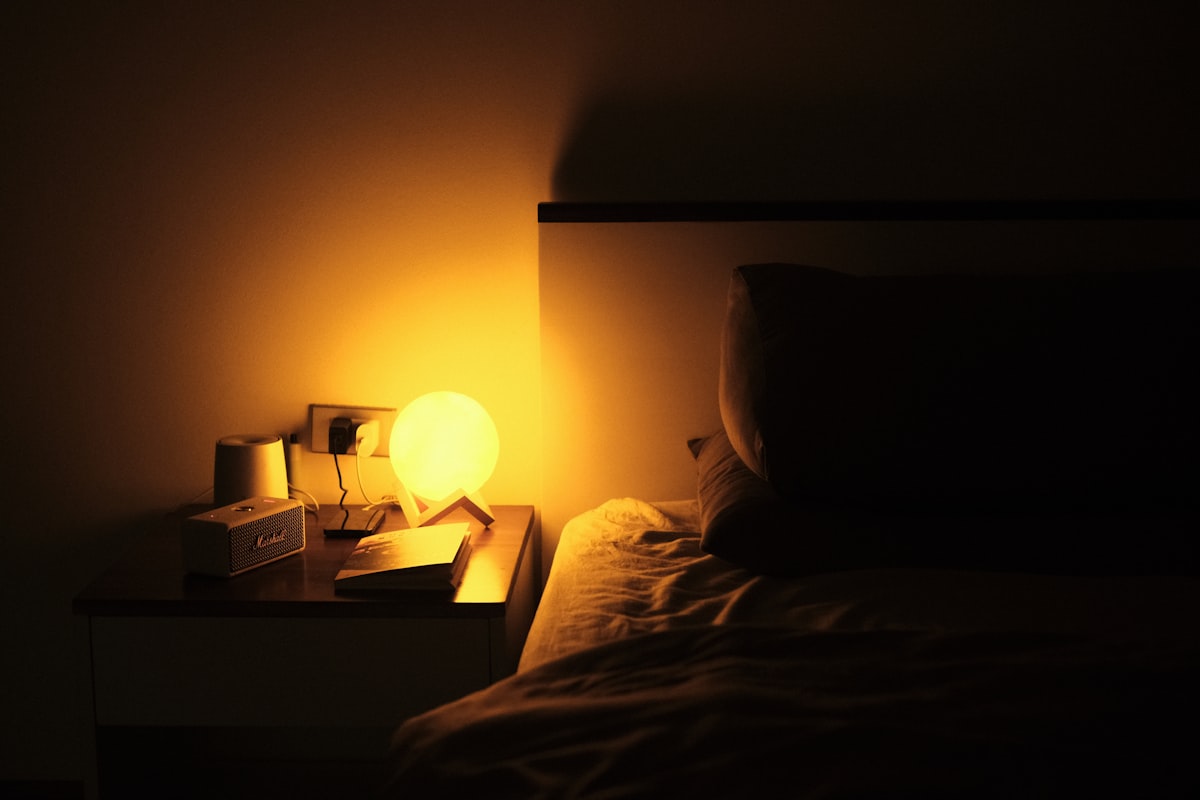
Why Sleep Quality Matters
Understanding the impact of proper rest on your physical health, mental clarity, and overall wellbeing.
Recommended Nightly Sleep
Most adults benefit from consistent sleep duration within this range.
Sleep Cycle Duration
Your body cycles through stages of light, deep, and REM sleep repeatedly.
Of Your Life
You spend approximately one-third of your life sleeping and resting.
Circadian Rhythm
Your body's natural 24-hour biological clock regulates sleep-wake patterns.
Essential Sleep Optimization Tips
Practical strategies and insights to improve your sleep quality naturally and sustainably.
Establish Consistent Sleep Schedule
Go to bed and wake up at the same time every day, even on weekends. This helps regulate your circadian rhythm and makes falling asleep easier over time.
Optimize Your Sleep Environment
Keep your bedroom cool, dark, and quiet. Invest in a comfortable mattress and pillows. These environmental factors significantly impact sleep quality.
Limit Screen Time Before Bed
Reduce exposure to blue light from phones and computers at least one hour before sleep. This helps your body produce melatonin naturally.
Include Regular Physical Activity
Exercise regularly but not close to bedtime. Physical activity improves sleep quality and helps regulate your sleep-wake cycle.
Mind Your Evening Diet
Avoid caffeine, heavy meals, and alcohol close to bedtime. These can interfere with sleep onset and quality throughout the night.
Practice Relaxation Techniques
Try meditation, deep breathing, or progressive muscle relaxation before bed. These techniques calm your mind and prepare your body for rest.

Your Trusted Rest Resource
Mindfulmalestory is dedicated to providing evidence-based information about sleep quality and rest optimization. Our editorial team curates in-depth articles, research summaries, and practical guides specifically designed for informed readers.
Evidence-Based Content
All articles reference current sleep science and peer-reviewed research.
Practical Insights
Actionable strategies you can implement immediately for better rest.
Transparent Editorial Standards
Clear disclaimers and attribution for all health-related information shared.
Regularly Updated
Our content reflects the latest developments in sleep research and wellness.
Stories from Better Sleepers
Readers share how our sleep insights have transformed their nightly rest and daily energy levels.
"The article on circadian rhythm optimization changed my sleep completely. Within two weeks of implementing the suggestions, I was falling asleep faster and waking up actually refreshed. The explanation of how light exposure affects melatonin was exactly what I needed to understand."
Ahmad Wijaya
Jakarta, Indonesia
"I was skeptical about making lifestyle changes, but the step-by-step guides made everything approachable. The content about eliminating screen time before bed was backed by actual research, which gave me confidence. My sleep quality has improved significantly."
Budi Santoso
Bandung, Indonesia
"As someone who travels frequently, the article on adjusting sleep patterns across time zones was invaluable. The practical tips for managing jet lag actually work. I appreciate how evidence-based all the information is without unnecessary jargon."
Rudi Hartono
Surabaya, Indonesia
"Finally, a resource that treats adult sleep seriously with scientific backing. The meditation and breathing technique guides are easy to follow. I've recommended this to all my friends, and they're seeing improvements too. Excellent work."
Slamet Purwono
Yogyakarta, Indonesia
"The comprehensive guide on sleep environments transformed my bedroom into an actual sanctuary for rest. I loved how detailed yet accessible the information was. My energy levels throughout the day are noticeably better since reading these articles."
Doni Hartawan
Medan, Indonesia
"I was dealing with irregular sleep patterns due to work stress. The article on managing stress and sleep intersection provided exactly what I needed. Practical, evidence-based, and genuinely helpful. This has made a real difference in my quality of life."
Wahyu Kusuma
Depok, Indonesia
Common Sleep Questions Answered
Find answers to frequently asked questions about sleep quality, rest optimization, and wellness practices.
Most adults benefit from 7 to 9 hours of sleep per night, according to current sleep research. However, individual needs vary somewhat based on genetics, age, activity level, and overall health. Some people function well with 6 hours, while others need closer to 10. The key is finding what allows you to feel rested and alert throughout the day. Quality matters as much as quantity—fragmented or poor-quality sleep of 9 hours is less beneficial than 7 hours of solid, uninterrupted rest.
Your circadian rhythm is your body's internal 24-hour biological clock that regulates sleep-wake cycles, hormone production, body temperature, and digestion. It's influenced primarily by light exposure, with your eyes detecting daylight and signaling your brain to produce cortisol and suppress melatonin. Maintaining a consistent schedule and getting bright light exposure in the morning helps keep your circadian rhythm properly aligned, making it easier to fall asleep at night and wake up in the morning. Disruptions to this rhythm can lead to sleep difficulties and affect overall health.
Yes, regular physical activity significantly improves sleep quality. Exercise increases time spent in deep sleep, the most restorative sleep stage where your body repairs tissues and consolidates memories. Physical activity also reduces anxiety and stress, which often interfere with sleep. However, timing matters—try to exercise earlier in the day rather than close to bedtime, as intense exercise can be stimulating. Even 30 minutes of moderate activity most days of the week can lead to noticeable sleep improvements within a few weeks.
Blue light, emitted by phones, tablets, and computer screens, suppresses melatonin production—the hormone that signals your body it's time to sleep. When you're exposed to blue light in the evening, your brain thinks it's still daytime and becomes more alert, making it harder to fall asleep. Reducing screen time at least one hour before bed helps your body naturally produce melatonin and prepare for sleep. Alternatively, you can use blue light filters on devices, wear blue light-blocking glasses, or keep screens dimmer in the evening to minimize this effect.
Most sleep research suggests that a cooler bedroom temperature between 60 to 67 degrees Fahrenheit (15-19 degrees Celsius) promotes better sleep. A cooler environment facilitates the natural drop in core body temperature that occurs when you sleep. However, the ideal temperature is somewhat individual—some people prefer it slightly warmer or cooler. The key is finding what helps you fall asleep and stay asleep comfortably throughout the night. A room that's too warm tends to interrupt sleep more than one that's slightly cool.
Short naps of 20-30 minutes can boost alertness and productivity without leaving you groggy. However, longer naps can lead to sleep inertia (grogginess upon waking) and may interfere with nighttime sleep if done too close to bedtime. If you're consistently tired during the day despite adequate nighttime sleep, it's better to address the root cause—whether that's sleep quality, stress, or an underlying sleep issue—rather than rely on daytime napping. Caffeine, a brief walk, or some natural light exposure can also help combat afternoon fatigue without disrupting your nighttime sleep schedule.
Get the Latest Sleep Insights
Subscribe to our editorial newsletter for evidence-based sleep tips, research summaries, and wellness articles delivered directly to your inbox.
We respect your privacy. Unsubscribe anytime.
Start Your Sleep Improvement Journey
Explore our comprehensive collection of articles, guides, and research-backed strategies. Every resource on Mindfulmalestory is designed to help you understand sleep science and implement practical changes for better rest.
Have questions or feedback about our content? Contact our editorial team